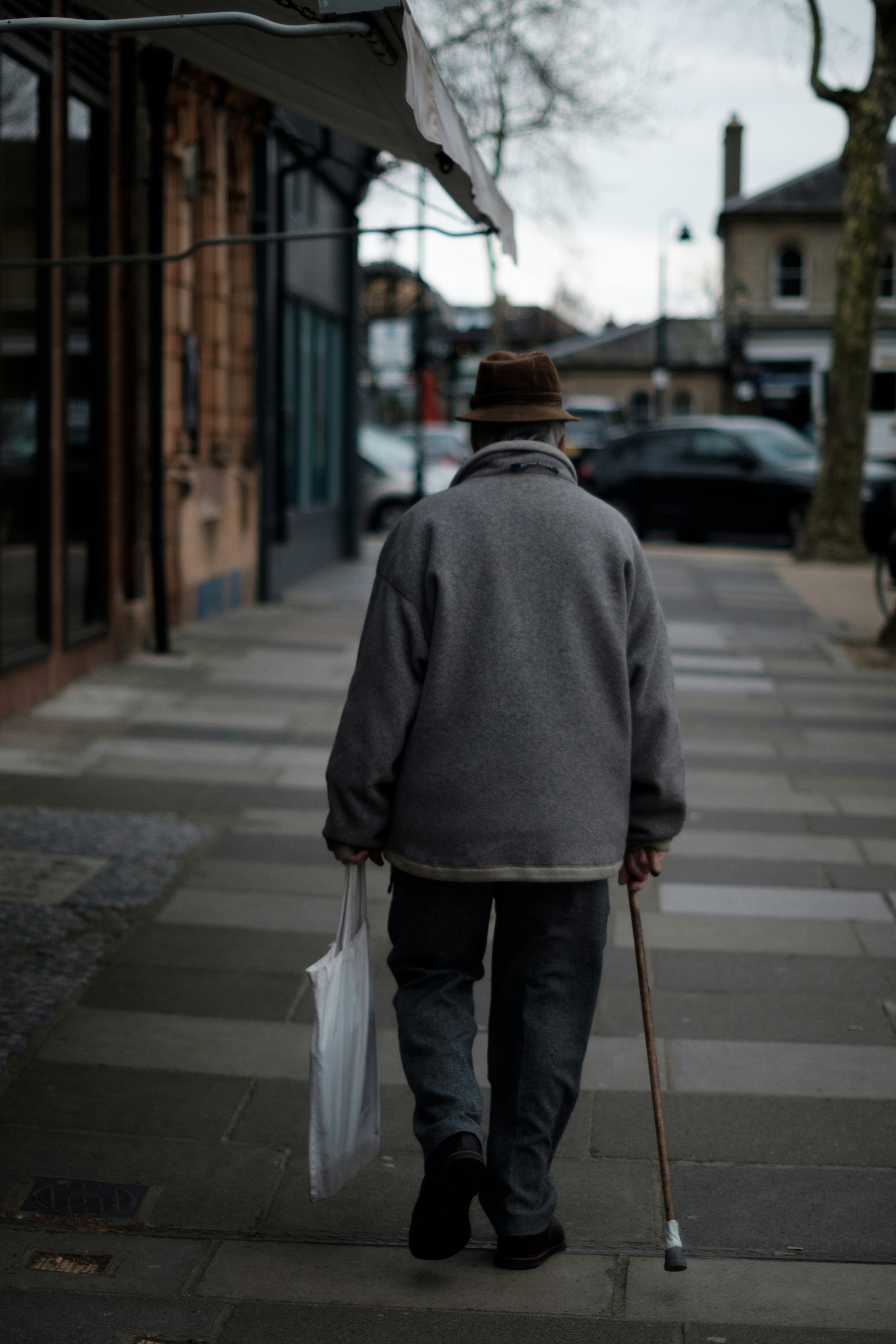
Photo Credit: David Sinclair
As a physical therapist who works with older adults, I frequently treat patients diagnosed with Parkinson's disease. One of the most common reactions I hear is uncertainty. People wonder what the diagnosis means for their future. They worry about losing their independence and no longer being able to enjoy the activities they love.
Those concerns are understandable. Parkinson's disease is a progressive neurological condition, and there is currently no cure. However, one thing I want patients and families to understand is that a diagnosis of Parkinson's disease does not mean life comes to a halt. In fact, physical therapy and exercise are among the most powerful tools available to help people maintain their mobility, confidence, and quality of life.
When most people think about Parkinson's disease, they think about tremors. Tremors are certainly one symptom, but Parkinson's affects much more than a person's hands. People often experience stiffness, slowed movements, changes in posture and gait, and problems with balance. These changes can make everyday activities like getting out of bed, standing up from a chair, climbing stairs, or walking through the grocery store feel more challenging.
One of the hallmarks of Parkinson's disease is that movements become smaller over time. People may not even realize these changes are occurring because they happen gradually. I often hear family members comment that their loved one has started shuffling their feet or isn't swinging their arms while walking like they used to. Some people begin taking shorter steps, speaking more softly, writing smaller script, or moving more slowly without recognizing the changes themselves.
Unfortunately, Parkinson's can create a vicious cycle. As movement becomes more difficult, many people become less active. They stop exercising, walk less frequently, or avoid activities they once enjoyed because they are afraid of falling or feel frustrated by the effort required. Over time, reduced activity leads to further weakness, stiffness, and loss of endurance, making movement even harder.
Research has shown that exercise is one of the most important components of managing Parkinson's disease. Regular movement can improve strength, balance, flexibility, endurance, and walking ability. Exercise also plays an important role in maintaining overall health and may even have beneficial effects on slowing the progression of symptoms.
When I evaluate someone with Parkinson's disease, I look at far more than the diagnosis itself. I assess strength, posture, balance, flexibility, endurance, and walking patterns. I observe how easily the person gets out of a chair, turns, climbs stairs, and performs everyday activities around the home. Even those with late-stage Parkinson’s who are less mobile can be evaluated for flexibility, strength, and activity tolerance. I also evaluate fall risk and identify areas that could interfere with independence.
Treatment often focuses on improving posture, strengthening the legs and trunk, increasing flexibility, enhancing balance, and working on larger, more deliberate movements. Since one of the characteristic features of Parkinson's is that movements become smaller over time, many exercises emphasize making movements bigger and more intentional. Programs such as LSVT BIG® are designed specifically to help people overcome this tendency and improve the quality of their movement. I incorporate these exercises into the sessions.
Fall prevention is another major focus of treatment. Parkinson's disease increases the risk of falls due to changes in balance, posture, and gait. Falls can lead to injury, hospitalization, and loss of confidence. Through balance training, strengthening exercises, and education, physical therapy can help reduce these risks and improve safety.
Because I provide physical therapy in patients' homes, I also have the opportunity to address challenges within the environment where people spend most of their time. I can assess stairs, bathroom safety, transfers, and walking pathways, and recommend modifications that improve safety and independence.
Perhaps one of the most rewarding parts of treating people with Parkinson's disease is seeing them regain confidence. Many people come into therapy feeling discouraged or fearful about what the future holds. Over time, I often see improvements not only in strength and balance, but also in confidence and outlook.